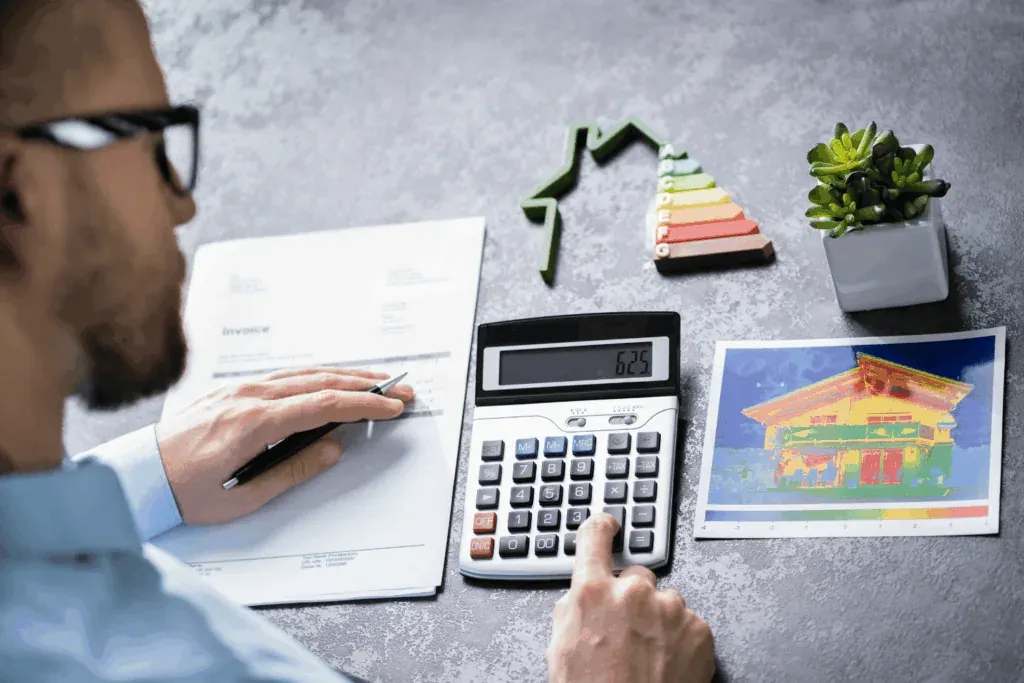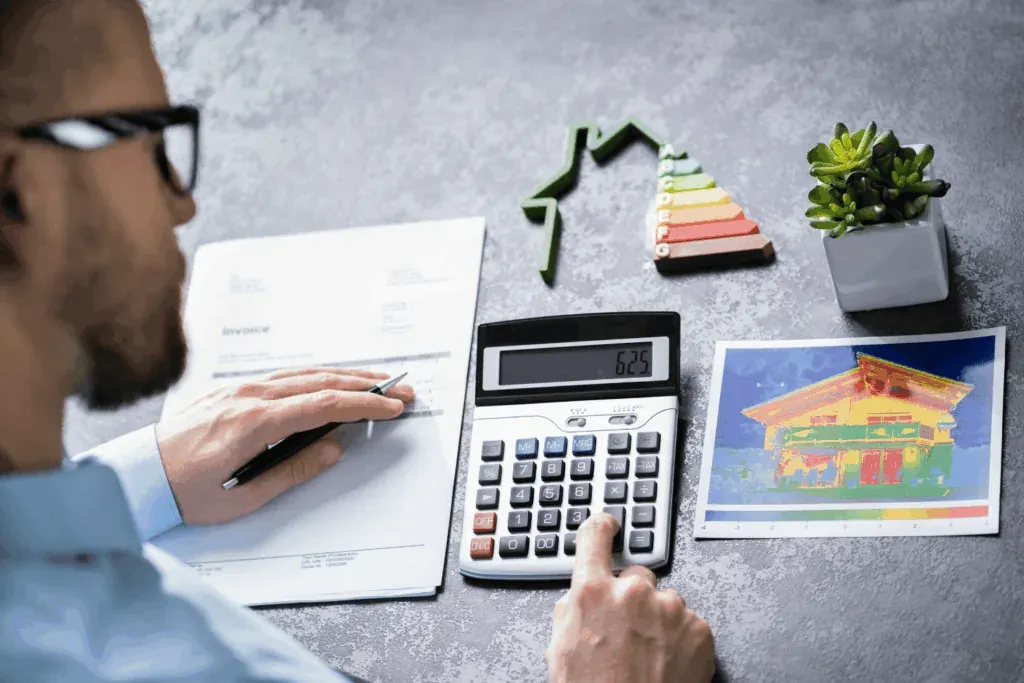
Rising energy costs and tightening regulatory pressure have pushed energy efficiency to the top of the agenda in Quebec, and it applies just as much to residential buildings as to commercial and industrial ones. Better performance lowers operating costs, improves comfort and extends the service life of building systems. Getting there, however, calls for a structured approach.
What building energy efficiency means
A simple, practical definition
A building’s energy efficiency is its ability to deliver a comfortable environment while using as little energy as possible. It rests on the optimization of several key elements: the building envelope, the mechanical systems, the equipment and the behaviour of the occupants.
Contrary to a common assumption, an efficient building is not a more complicated one. It is simply better designed, better tuned and better managed, so that every kilowatt-hour consumed genuinely serves the building’s needs.
Energy performance versus consumption
Cutting energy consumption does not automatically improve performance. Performance reflects how well a building meets its needs with a minimum of losses, which is why two buildings can consume similar amounts of energy yet deliver very different results.
Consumption therefore has to be analyzed against actual use and the level of comfort being delivered.
The main energy indicators
The most widely used indicators are energy use intensity, consumption broken down by end use, and annual energy costs. These figures help target where to intervene first. They also make it possible to measure the gains achieved after each improvement.
Why energy efficiency matters in Quebec
Lower energy costs
Electricity is relatively affordable in Quebec, yet inefficient buildings still generate high costs over the long run. Improving energy efficiency reduces recurring expenses and makes budgets far more stable.
Those savings become especially strategic for property managers and for organizations with heavy energy demands.
Comfort and building value
A high-performing building holds temperatures steadier and delivers better air quality. Occupant comfort rises as a result, and satisfaction and productivity follow.
Over the long term, these benefits also raise the value of the building and its appeal on the market.
Standards, regulations and the Quebec climate
The Quebec climate creates heavy heating loads. Standards and government programs are also encouraging higher-performing practices, with the aim of reducing overall energy demand and the emissions that come with it.

Where a building loses energy
The building envelope
The envelope is the first line of defence against energy losses. Deficient insulation or poor airtightness leads to significant losses, and in winter those flaws force the systems to run far longer than they should.
Thermal bridging and air infiltration make the overconsumption worse still.
Heating, ventilation and air conditioning systems
HVAC systems often account for the largest share of a building’s energy use. When they are improperly sized or poorly maintained, overconsumption becomes unavoidable.
Inefficient air distribution and badly calibrated controls compound the problem.
Lighting and equipment
Lighting and equipment have a considerable impact, especially in commercial buildings. Outdated technology drives up the electrical load, and this consumption often goes unnoticed even though it is expensive over the long term.
Occupant behaviour
The human factor is frequently overlooked, yet incorrect setpoints or poorly chosen schedules can wipe out several technical gains at once. Raising awareness among occupants remains essential.
Practical ways to improve energy efficiency
Insulation and airtightness
Upgrading insulation is often highly cost-effective. It cuts heat loss quickly, improves comfort and extends the service life of the equipment.
These measures form a solid foundation for maximizing a building’s energy performance over the long term.
Optimizing HVAC systems
Optimizing HVAC systems comes down to tuning, upgrading and maintaining them. These actions lower consumption and make the equipment more reliable at the same time.
Lighting upgrades
Switching to LED lighting sharply reduces consumption. Paired with smart controls, it also lowers maintenance requirements, and visual quality improves along the way.
Automation and smart controls
Automated systems adjust consumption to occupancy and schedules, so energy is used only when it is actually needed. Few measures curb waste as effectively.

Technology and building energy management
Building management systems
A building management system centralizes control of the equipment and gives a clear view of energy performance, which means anomalies are caught much sooner.
These systems also make preventive maintenance easier. Settings can be adapted to occupancy or weather conditions, turning optimization into an ongoing process rather than a one-time exercise.
Monitoring and analyzing consumption
Tracking consumption reveals how energy is actually being used. Comparing data over time makes performance drift far easier to spot, so problems can be addressed sooner.
The same analysis measures the impact of each improvement and allows strategies to be adjusted, always with the goal of maximizing savings over the long term.
Integrating renewable energy
Where conditions are favourable, renewable energy complements efficiency measures well. It reduces reliance on conventional sources and improves the building’s environmental record.
These solutions pay off most, however, once consumption has already been reduced. Taking them in that order leads to greater energy autonomy.
Professional support and grants in Quebec
The energy audit
An energy audit is the first step in any structured approach. It measures the building’s real performance, and it forms part of the broader energy transition in Quebec.
Action plan and return on investment
Once the audit is complete, a clear action plan is essential. It sequences the work over time and prioritizes investments according to their impact.
This phased approach limits disruption and improves overall profitability.
Grants and financial incentive programs
Several funding programs actively support energy efficiency projects in Quebec. They are designed to lower upfront costs, shorten the payback period and encourage more sustainable practices in residential, commercial and institutional buildings.
- Financial assistance programs from the Gouvernement du Québec
These programs support projects that improve energy performance, reduce energy consumption and cut greenhouse gas (GHG) emissions. Funding may cover energy audits, mechanical system upgrades, the optimization of existing buildings and certain larger-scale energy transition projects. - Hydro-Québec energy efficiency programs
Hydro-Québec offers programs for businesses, institutions and organizations looking to reduce their electricity use. These financial incentives can support measures such as HVAC optimization, lighting upgrades, building automation and the rollout of energy management solutions.
Professional support helps identify the programs best suited to your building type and the project you have in mind. It also clarifies eligibility criteria and takes care of the paperwork, so you capture the maximum financial incentives available.
Conclusion
Improving a building’s energy efficiency pays off on every front: lower costs, better comfort and a real contribution to Quebec’s energy transition. With a structured approach, the results are lasting and measurable.
Frequently asked questions (FAQ)
What should I do first?
The usual starting point is an energy audit paired with an analysis of current consumption. Together they quickly reveal the main sources of waste and make it possible to prioritize the most cost-effective measures.
Which types of buildings can improve their energy efficiency?
Every building type stands to benefit, whether residential, commercial, industrial or institutional. The solutions do have to be tailored to the building’s use, size and age.
How long does it take to recover the investment?
The payback period depends on the measures put in place. Some optimizations generate savings almost immediately, while others form part of a medium- or long-term strategy. In most cases, the investment is recovered within a few years.
Can several grants be combined?
Yes. In some cases, provincial funding can be combined with the incentives offered by Hydro-Québec. An upfront review determines which programs are compatible and maximizes the total funding for the project.
 Further reading