What an energy audit gives you
An energy audit allows you to:
- understand where and how energy is being consumed
- pinpoint losses and sources of excess consumption
- receive recommendations suited to your operating reality
- guide your investment decisions with a clear view of the options
- build an energy roadmap for the short, medium and long term
The result: a clear, structured view to steer your energy performance.
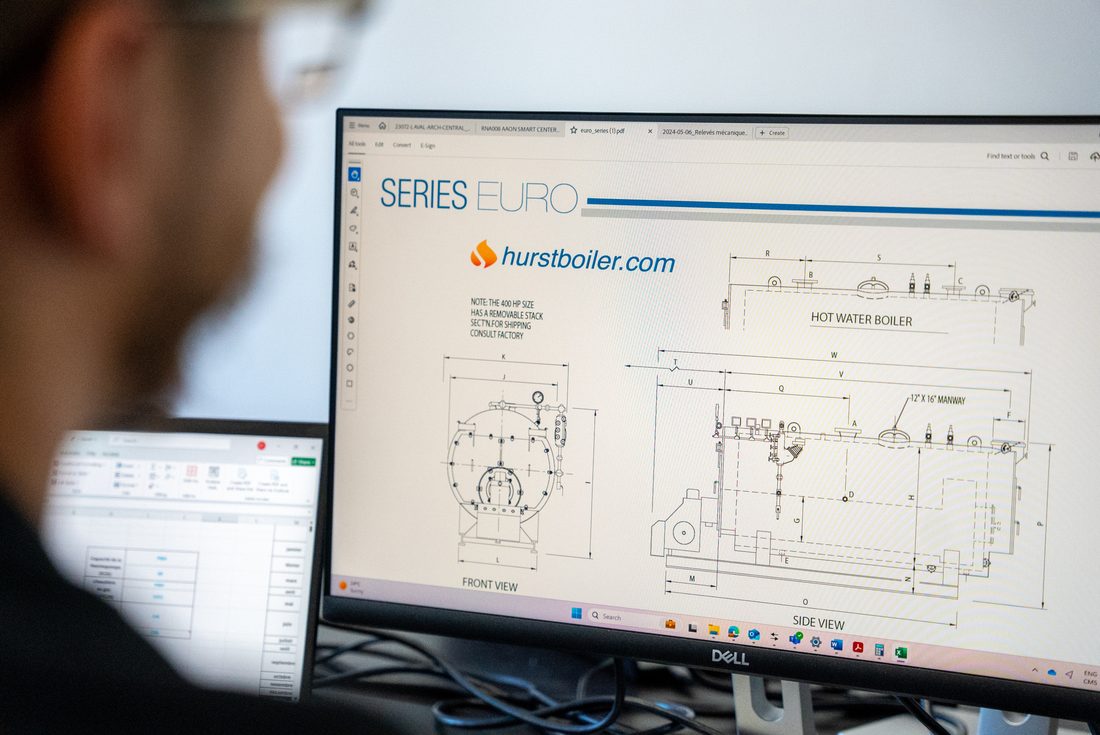
A complete, structured approach
Our work typically includes:
- a site visit of the building or the processes
- analysis of energy bills and available data
- discussions with your technical teams
- review of consumption and energy load profiles
- a study of rate structures and associated costs
- assessment of the building envelope
- inspection of electromechanical systems (HVAC, lighting, etc.)
- quantification of energy efficiency measures
- estimates of implementation costs and potential savings
- financial modelling of each scenario (payback period, return on investment, etc.)
This approach validates every opportunity, technically and financially.
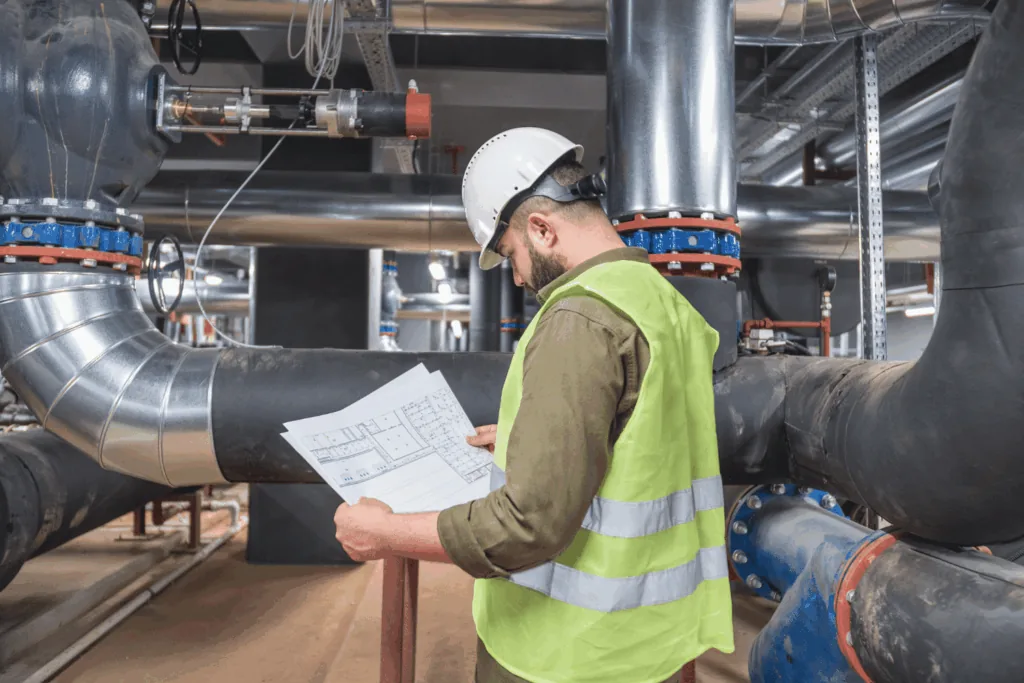
A lever for your projects and investments
An energy audit is the essential groundwork for:
- planning energy efficiency projects
- structuring a decarbonization strategy
- supporting funding applications
- feeding an energy management system (ISO 50001)
It also opens the door to longer-term strategies that improve the energy performance of your buildings for good.
Energy audits themselves are eligible for financial incentives. And once the audit is complete, we can carry on with you into implementation, providing the engineering services the identified measures call for.

What an energy audit measures
An energy audit rests on data, not on impressions.
It brings together billing history, available meter readings, the equipment inventory and the building's real operating schedules to reconstruct how it actually consumes energy. That is what separates an audit from a technical visit: the visit observes, the audit quantifies.
That quantification is what makes a recommendation defensible in front of a management team, a lender or a funding program: every proposed measure is tied to a measured consumption and to a costed saving.
Audit or assessment: which one you need
The two exercises differ in depth and in purpose.
- An assessment gives you a quick overview: the main consumption centres, obvious faults, orders of magnitude.
- An audit takes the analysis to the end: detailed readings, system-by-system study, quantified measures, financial modelling of each scenario.
The assessment identifies what is at stake; the audit produces the action plan. Across a portfolio, one usually leads to the other: sort first, then audit where the potential is real.
The systems and energy sources analyzed
An audit is only as good as its scope: a partial view produces partial conclusions.
- electricity: lighting, motors, equipment, plug loads
- heating, whatever the source: electricity, natural gas, oil, geothermal
- cooling and ventilation, along with their control sequences
- domestic hot water
- the building envelope
- industrial processes and compressed air, where they apply
Applicable rate structures and demand profiles are analyzed alongside them: the same annual consumption can cost very different amounts depending on how it falls across the day.
What the report contains
The report follows the logic of an investment decision.
- The energy balance — consumption over a reference period, broken down by use, and the performance gap against comparable buildings or recognized standards.
- The efficiency measures — each one described and costed in energy and in dollars, with its estimated implementation cost and payback period.
- The priority order — what can be done quickly and cheaply, what amounts to a capital project, and the sequence to run them in.
- The applicable grants — the programs the selected measures qualify for.
That structure lets the same report go to a technical director and a finance director without being rewritten.
What determines the scope of a mandate
No two audits are alike. The effort depends mainly on:
- the floor area and the number of buildings covered
- technical complexity: how many systems, whether processes are involved, the age of the installations
- the quality and availability of existing data — often the heaviest factor of all
- the level of detail the funding program, or the decision at hand, actually requires
Energy audits qualify for financial assistance programs. We confirm at the outset which ones apply to your situation, so that the scope of the audit matches their requirements.
Frequently asked questions
Is an energy audit mandatory in Quebec?
There is no general obligation covering all buildings. Some funding programs and certifications do require a documented audit, however, and reporting obligations apply to certain large consumers. We confirm what applies in your case before setting the scope.
How long does an energy audit take?
From a few weeks for a single building with data readily available, to considerably longer for a portfolio or for industrial processes. Data collection is almost always the longest stage: the more accessible your history, the faster the audit moves.
How does it differ from energy modelling?
An audit examines an existing building in operation. Energy modelling simulates a building still to be designed or transformed. The two complement each other: audit data calibrates a model, and the model tests the measures the audit recommends.
When should you commission one?
Ahead of a major renovation or an equipment replacement, when costs rise without a clear explanation, when preparing a funding application, or as the starting point of a decarbonization plan.


 Energy audit