
A building can seem to run perfectly well day to day and still waste a substantial amount of energy. In Quebec, where heating, ventilation and lighting account for a major share of operating costs, that situation is common. This is exactly where the energy audit proves its worth: it produces a clear diagnosis, identifies the losses and, above all, tells you concretely where to start.
What a building energy audit is
The main objectives of an energy audit
First and foremost, an energy audit sets out to understand how energy is actually consumed in a building. It answers the essential questions: which systems consume the most, where the losses occur, and which measures can lower the bill without compromising comfort or operations.
The audit then serves to prioritize the work. Rather than investing blindly, you target the most effective measures while accounting for budget, schedule and operating constraints, so that every action fits into a coherent whole.
Finally, an energy audit lays the foundation for a lasting program. With clear indicators and structured monitoring, energy performance can be improved continuously rather than in one-off bursts.
For a recognized methodological reference, Natural Resources Canada also publishes a guide on conducting an energy audit, useful for understanding best practices and the logic behind the analysis.
Energy audit versus energy assessment
An energy assessment is generally a first read on the situation. It surfaces certain trends and points to improvement opportunities based on existing data and a brief site visit.
The energy audit goes further. It rests on an in-depth analysis of the systems, the building envelope and how the space is used. It normally includes detailed recommendations, a ranking of the measures and an estimate of the expected gains, all of which makes decision-making far easier.
The different types of energy audits
There are several levels of audit, each answering a different need. The right choice depends largely on the type of building and the objectives being pursued.
- Walk-through audit: quick and accessible, it identifies obvious gains tied to settings, schedules or lighting.
- Detailed audit: more thorough, it analyzes the systems in depth and often forms the basis of a structured improvement plan.
- Audit with energy modelling: particularly useful for complex buildings or major projects, it makes it possible to compare different intervention scenarios.
Why carry out an energy audit
Lower operating costs
Energy savings very often require no major construction. Simple adjustments can deliver quick gains: revised schedules, correction of temperature drift, or optimized ventilation. An audit surfaces these opportunities and heads off unnecessary spending. It is also a solid basis for maximizing your building’s energy performance in a structured way.
A better-tuned building also puts less strain on its equipment. The service life of the systems is extended as a result, which cuts long-term maintenance costs as well.
Energy performance and comfort
Contrary to a widespread perception, energy efficiency does not come at the expense of comfort. In practice, an audit often sets out to correct recurring problems such as cold zones, overheating in the shoulder seasons, or poor air quality.
Once the causes of that discomfort are identified, the systems can be balanced and indoor conditions improved. Occupants end up with a more stable and more pleasant environment.
Regulatory compliance and access to grants
Many financial incentive programs require a prior energy analysis. The audit provides the foundation: it documents the building’s baseline condition and demonstrates the potential gains.
On that subject, the practical guide from the Gouvernement du Québec sets out a structured approach for planning and implementing concrete energy efficiency measures.

Which buildings benefit from an energy audit
Commercial buildings
Commercial buildings often have variable occupancy profiles, so their systems are not always aligned with actual use. An audit makes it possible to adjust the settings and shorten the periods of overconsumption.
Industrial buildings
In an industrial setting, energy is closely tied to processes and specialized equipment. An audit helps pinpoint the biggest energy consumers and identify solutions compatible with production requirements.
Institutional buildings
Schools, sports centres and municipal buildings have to meet demanding comfort and safety requirements. Here the audit prioritizes effective measures while respecting the building’s mission.
Multi-unit residential buildings
In multi-unit residential buildings, the issues usually involve heating, hot water and airtightness. An audit makes it possible to cut heat losses and improve occupant comfort, which often translates into fewer complaints.
The key steps of a building energy audit
Collecting energy data
The process begins by collecting existing energy data: electricity, gas and other energy bills covering a representative period, often 12 to 36 months. This data brings out seasonal trends, consumption peaks and recurring anomalies.
In parallel, the auditor gathers information on building occupancy, operating hours, specific end uses and operational constraints. These elements are essential to interpreting the data correctly and avoiding conclusions disconnected from what actually happens on site.
Technical site visit and systems analysis
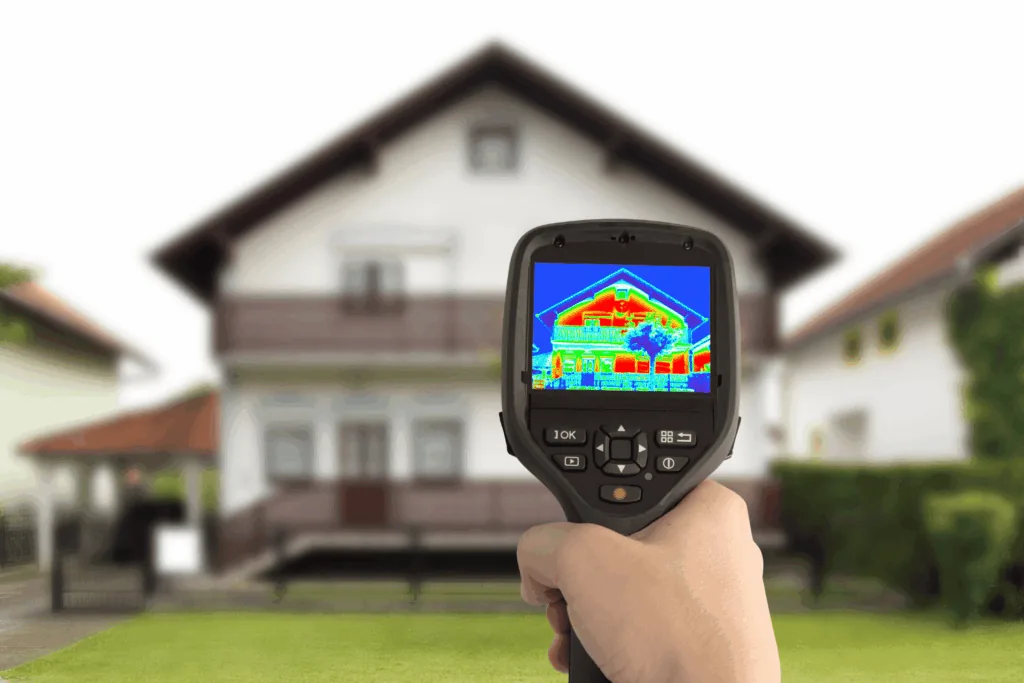
The technical visit is a pivotal stage of the energy audit. It confirms on site how the systems actually operate and allows theoretical data to be compared with observed conditions. The auditor examines the building envelope, the condition of the insulation and the air barrier, along with the heating, ventilation, air conditioning and lighting equipment.
The visit also uncovers issues that the data alone will never show: incorrect settings, equipment running around the clock, poorly calibrated sensors, or zones that are overheated or underheated. Very often these observations account for a large share of the energy losses.
Analyzing consumption and losses
Drawing on the data collected and the on-site observations, the auditor carries out a detailed analysis of energy consumption. The aim is to break consumption down by end use: heating, ventilation, lighting, hot water or industrial processes, so that the main energy loads are clearly understood.
Sources of waste then become far easier to identify, whether heat losses, over-ventilation, oversized equipment or poor operating practices. The analysis turns raw figures into concrete, usable information.
Recommendations and prioritization of measures
The recommendations that come out of the audit are grouped and organized by type. They may include operational measures such as adjusting schedules or control setpoints, targeted maintenance work, or larger capital investments.
To support decision-making, the measures are ranked by energy impact, technical feasibility, cost and compatibility with building operations. The owner is left with a clear roadmap for improving energy performance step by step, without disrupting activities unnecessarily.
What an energy audit report contains
The building’s energy profile
The audit report generally opens with an overall energy profile of the building. This section summarizes current consumption, the trends observed and the breakdown of energy by end use. It also highlights the main issues identified during the analysis and the technical visit.
The profile lets the reader see quickly where the priorities lie and which factors weigh most heavily on overall energy performance.
Proposed improvement measures
The heart of the report is the presentation of the improvement measures. Each recommendation is explained clearly, with a description of the problem, the proposed solution and the conditions for implementing it. That makes the report accessible even to decision-makers without a technical background.
The measures are often sorted by level of investment and complexity, which helps in planning short-, medium- and long-term action.
Estimated costs and return on investment
Finally, the report includes an estimate of the cost of each measure along with the anticipated energy savings. These estimates support indicators such as return on investment and the payback period.
These figures remain projections, but they provide a solid basis for comparing options, setting a realistic budget and supporting informed investment decisions.

How to choose an energy audit expert in Quebec
Skills and experience to look for
The choice of expert largely determines the quality of the audit. Favour a professional with demonstrated experience on buildings similar to yours, whether commercial, industrial, institutional or residential.
That experience leads to a better grasp of your building’s specific constraints and to recommendations that are realistic and suited to your operating context.
Approach and methodology
A clear, transparent methodology is essential to the credibility of the audit. The expert should be able to explain the approach taken, the assumptions made and the limits of the analysis.
A sound approach also involves talking with the on-site teams to validate the findings and confirm that the recommendations match day-to-day reality.
Support and help with grant applications
Complete support does not stop at delivering a report. It also covers help with funding applications and the identification of the relevant incentive programs.
On this point, Natural Resources Canada publishes a detailed guide on conducting an energy audit, setting out the best practices and the steps to follow to structure an effective process.
Conclusion
In the end, an energy audit is usually the best way to find out where to start. It turns impressions into hard data and makes it possible to build a structured action plan. In Quebec, where the energy stakes are high, it is a powerful lever for reducing costs, improving comfort and supporting the energy transition. To move from analysis to action, explore our energy efficiency services.
Frequently asked questions (FAQ)
How much does a building energy audit cost?
The cost varies with the size of the building, the complexity of the systems and the level of detail required. That said, the savings generated often offset the initial investment.
How long does an energy audit take?
The timeline depends on how readily the data is available and on the size of the building. As a rule, allow a few weeks between the information gathering and the delivery of the report.
Is an energy audit mandatory in Quebec?
Whether one is required depends on the context and on the programs involved. Even when it is not mandatory, an audit remains strongly recommended as a basis for decisions.
How often should an energy audit be repeated?
It is advisable to update the audit after major changes, such as renovations or a change of use, in order to maintain optimal performance.
 Further reading