What is geothermal energy?
Geothermal energy is the natural heat held beneath the Earth’s surface. Drawn mainly from the planet’s core and from solar energy stored in the ground, it is a stable, renewable resource. Unlike energy sources that depend directly on outdoor temperatures or weather conditions, geothermal energy rests on a valuable thermal constant that is available all year long.
Just a few metres below the surface, ground temperatures in Quebec settle between 5 °C and 8 °C and stay relatively uniform, even during extreme cold. A geothermal system can therefore capture or reject heat very efficiently, which makes it particularly well suited to a northern climate.
How does a geothermal system work?
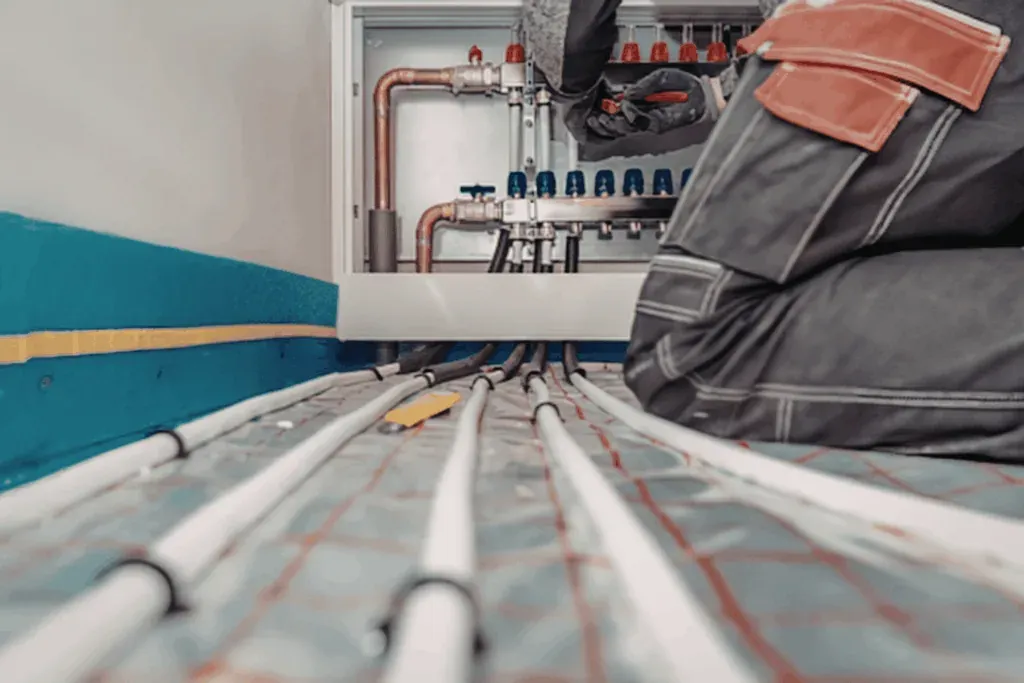
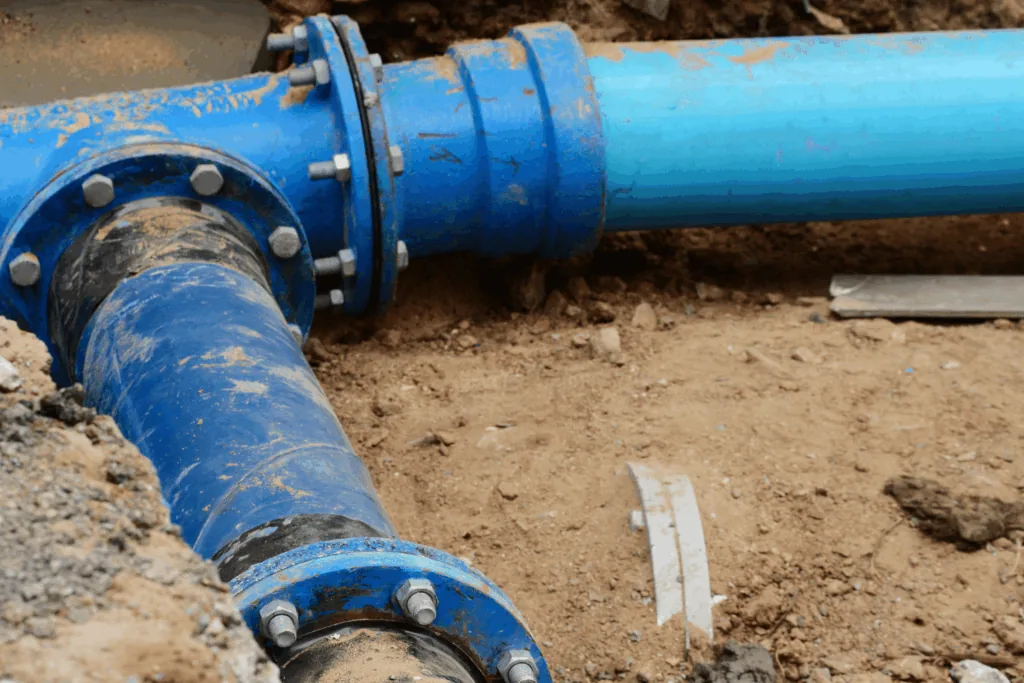
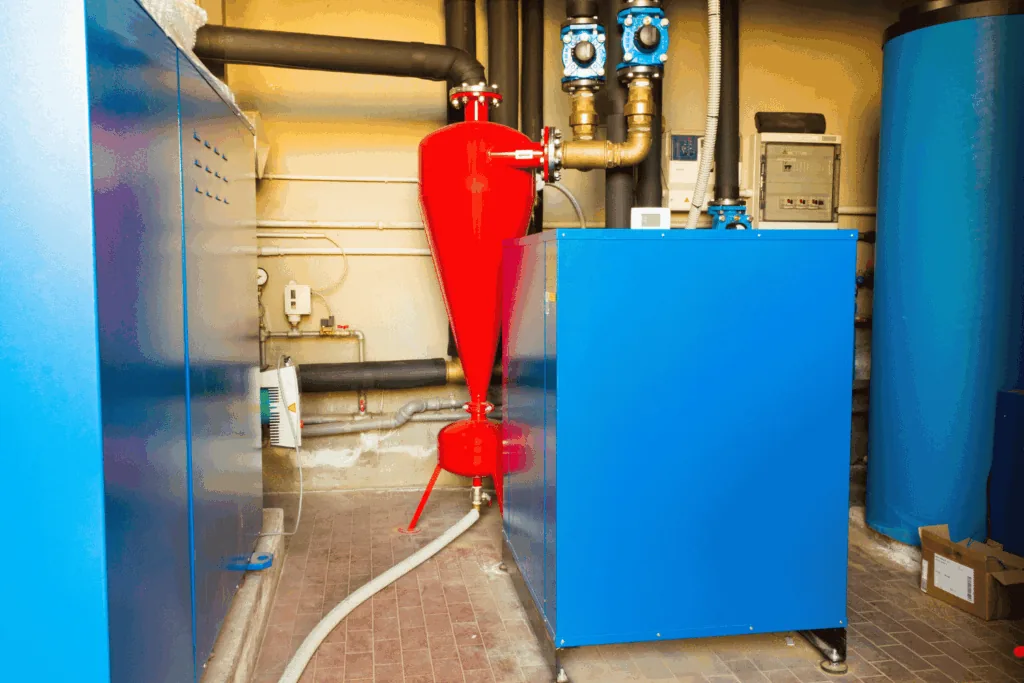
Geothermal energy relies on two complementary components. The first is the ground loop, installed below grade, through which a heat transfer fluid circulates. The second is the geothermal heat pump, installed inside the building. Together, they move heat between the ground and the building.
In winter, the fluid travels through the loop and absorbs heat from the ground. Once that energy reaches the heat pump, it is compressed and amplified to heat the building. In summer, the process runs in reverse: heat from the building is transferred into the ground, which acts as an enormous natural heat sink. Thanks to this cycle, geothermal energy delivers both heating and cooling very efficiently, all year long.
For a more technical look at the different ways geothermal energy can be used, see the dedicated resource from Natural Resources Canada.
Geothermal systems and their applications in Quebec
Different types of geothermal systems can be considered depending on the nature of the site, the needs of the building and the energy targets. Because Quebec combines dense urban settings, varied soils and large institutional buildings, several technologies have found a place across the province.
Closed loops: vertical and horizontal
Closed-loop systems are generally the preferred option because they are durable, reliable and require little maintenance. Their configuration, however, varies with the constraints of the site.
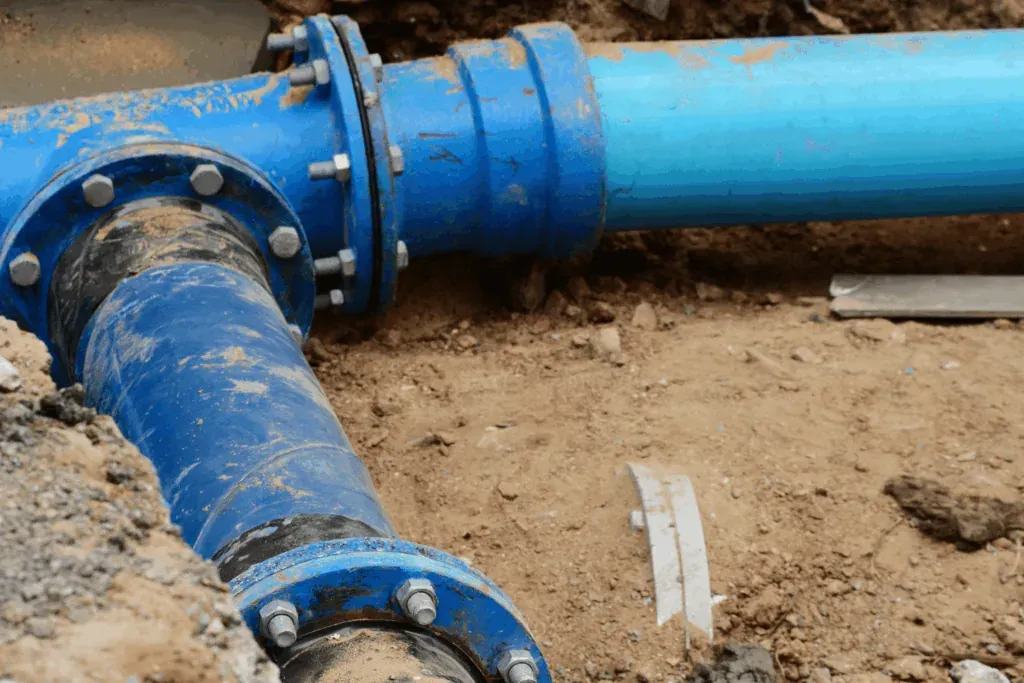
Vertical loops are inserted into boreholes drilled several dozen, or even several hundred, feet deep. They are ideal where space is limited, which is often the case on commercial and institutional sites. Depth also gives access to an even more stable temperature, which improves performance.
Horizontal loops, by contrast, are laid in wide, shallower trenches. They usually cost less, but they call for open land. This configuration is more common in rural areas and on large industrial sites.
Open loops
An open-loop system uses groundwater as its heat source. Because the water flows directly through the heat pump, efficiency is often higher. This solution does require a constant, regulated water supply, which limits where it can be used. It remains an attractive option wherever hydrogeological conditions are favourable.
Deep geothermal energy vs. shallow geothermal energy
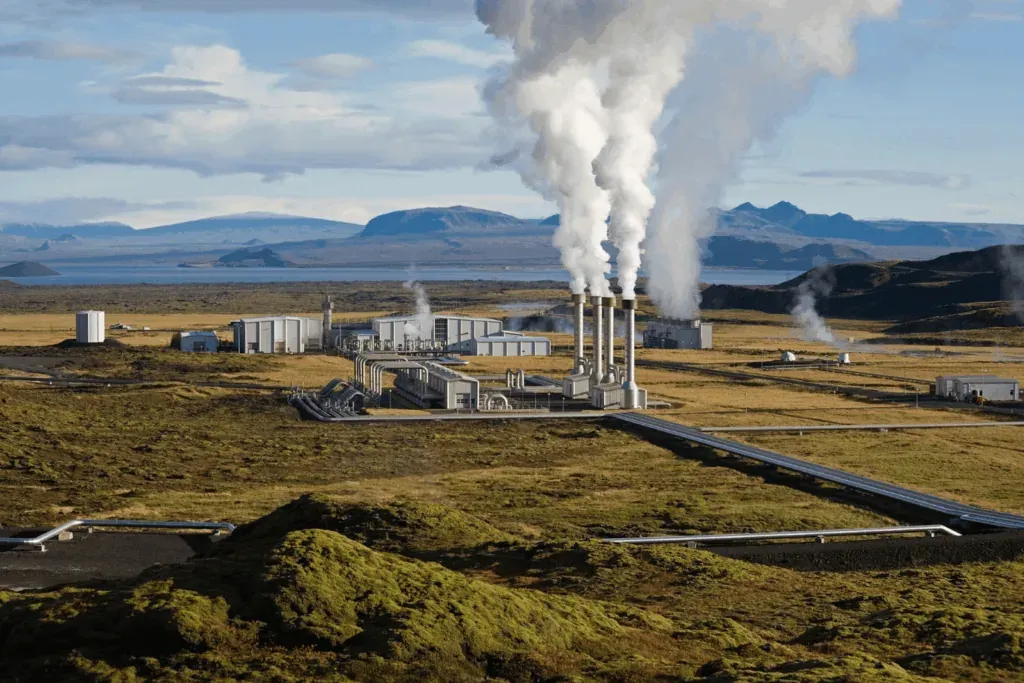
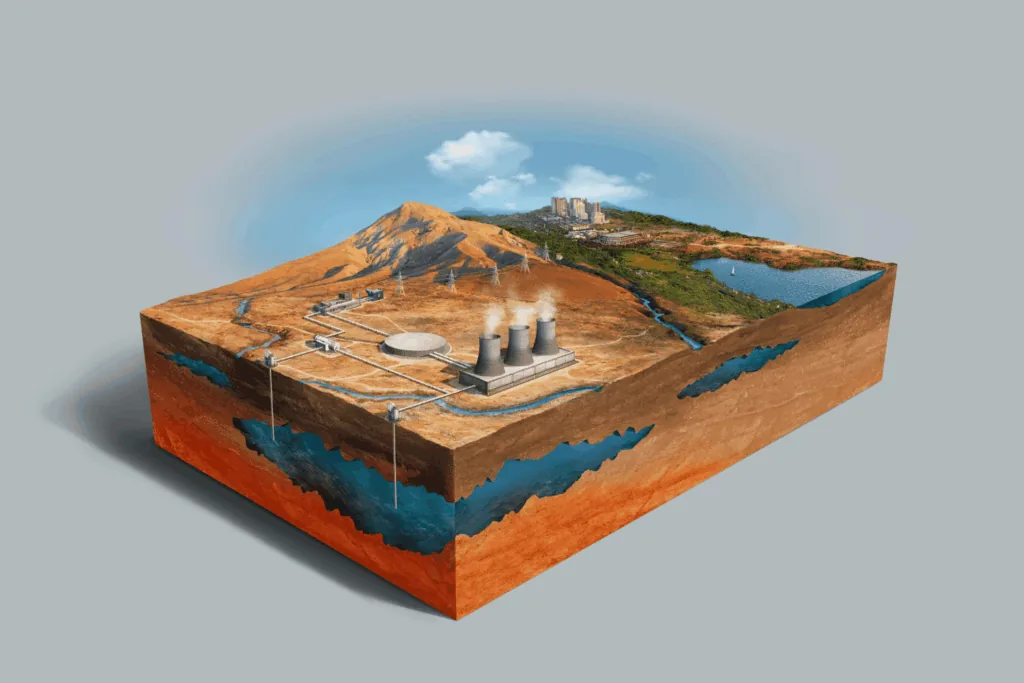
Shallow geothermal energy is the solution used in most Quebec buildings. Deep geothermal energy, on the other hand, taps resources located several kilometres below the surface. Because that technology reaches much higher temperatures, it is used mainly in large industrial projects or for power generation. Its potential in Quebec is still being assessed, but the pilot projects under way are encouraging.
Possible applications in Quebec
Geothermal energy is versatile enough to fit a wide range of settings, including:
- schools, colleges and universities;
- hospitals and health care centres;
- retail spaces, offices and sports centres;
- plants that need stable thermal management;
- multi-residential buildings.
Benefits of geothermal energy for commercial and institutional buildings
Geothermal energy offers a unique combination of economic, environmental and operational advantages. Those strengths explain why it is increasingly seen as a cornerstone of energy transition strategies in Quebec.
Superior energy efficiency
A geothermal system can deliver up to four times the energy it consumes, an exceptional level of performance compared with conventional electric systems. Heating costs can therefore drop by as much as 70%, largely because electricity use falls sharply in winter, typically the most expensive season for organizations.
Lower GHG emissions
By reducing reliance on fossil fuels and on less efficient systems, geothermal energy has a direct impact on emissions. And because Hydro-Québec supplies electricity that is mostly hydroelectric, running a geothermal heat pump substantially shrinks a building’s carbon footprint. For a closer look at these environmental benefits, see the ORT Énergie page on geothermal energy.
Steady performance even in extreme cold
Because geothermal energy draws on the ground, a stable source, it keeps performing even when outdoor temperatures drop below -25 °C or -30 °C. That is a major advantage in a climate like Quebec’s, where cold snaps regularly push air-source systems to their limits.
Exceptional service life and minimal maintenance
Durability is another significant advantage. Ground loops often last more than 50 years, while geothermal heat pumps typically run for 20 to 25 years. Their robust design means they need very little maintenance, which helps organizations keep operating costs predictable over the long term.
Geothermal energy vs. other heating systems
To appreciate what geothermal energy offers, it helps to compare it with the other solutions commonly used in Quebec. The differences are significant, both in cost and in energy efficiency.
Compared with electric systems
Electric systems are simple to install and maintain, but they often consume a great deal of energy, especially in winter. Geothermal energy delivers far higher efficiency, which translates into marked savings and a significant reduction in electricity demand during peak periods.
Compared with natural gas systems
Natural gas systems can heat large floor areas effectively, but they are closely tied to swings in gas prices and they generate GHG emissions. Geothermal energy removes both issues by relying on clean energy that is available locally.
Total cost of ownership
Once the service life of the equipment and the savings generated are taken into account, geothermal energy proves to be one of the most advantageous solutions over the long term. The upfront investment is higher, but the payback period becomes very attractive after a few years, especially in energy-intensive buildings.
Grants and programs available
Several provincial and federal programs support the energy transition by offering financial incentives to organizations that want to install a geothermal system. Here are the main ones:
ÉcoPerformance program: Transition énergétique Québec
This program aims to improve the energy efficiency of commercial, institutional and industrial buildings. It can partly fund the studies, the installation or the upgrade of a geothermal system.
View the ÉcoPerformance program
Low Carbon Economy Fund (NRCan)
This federal fund supports projects that cut GHG emissions, geothermal energy among them. It applies mainly to organizations, industries and large-scale projects.
See the federal funding available
Innov-R program: Quebec
This program is aimed at innovative projects focused on cutting emissions. It can be a good fit for geothermal installations built into industrial processes or specialized buildings.
How do you choose the right system for your building?
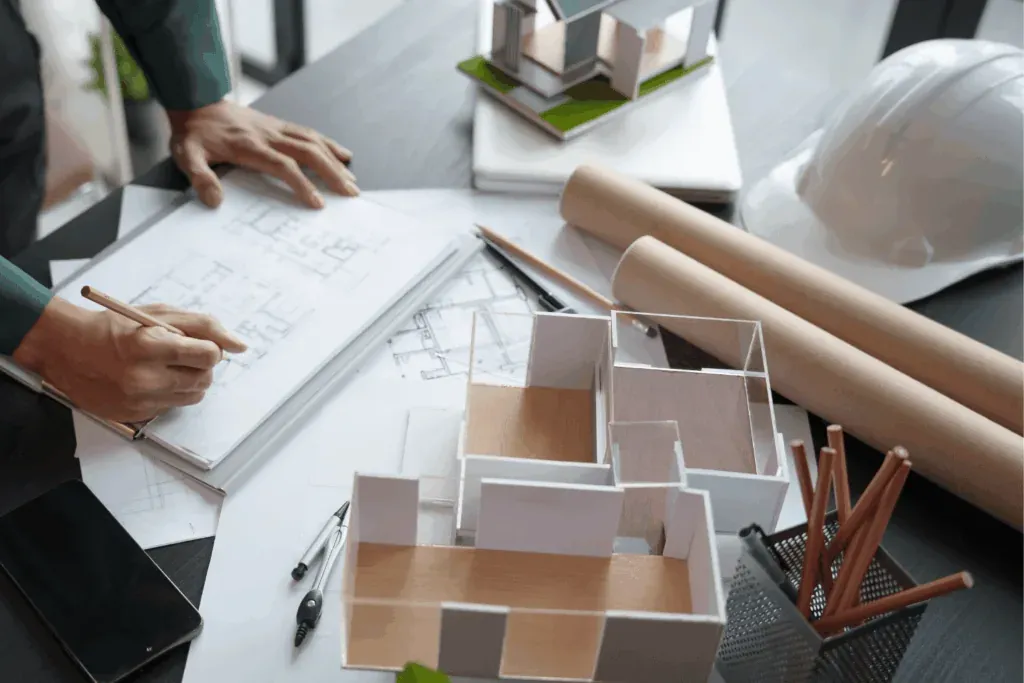
Choosing the right geothermal configuration is essential if you want the full benefit of the technology. Several factors have to be analyzed before the system is designed.
Site and soil analysis
Site geology, meaning soil composition, depth, the presence of water and physical constraints, has a direct influence on the type of loop to use. A geotechnical study establishes both feasibility and expected performance.
Proper sizing
A poorly sized installation leads to inefficiencies and added costs. That is why a complete energy analysis is essential to plan the heat pump capacity required.
The value of professional expertise
The quality of the drilling, the engineering and the installation has a direct bearing on how the system performs. For an optimized, long-lasting project, work with specialists such as ORT Énergie, who master the entire process, from design through commissioning.
Conclusion
Geothermal energy is a proven, high-performance technology that suits the Quebec climate perfectly. Efficient heating and cooling, remarkable thermal stability and low operating costs make it a strategic choice for organizations that want to improve energy efficiency while reducing their carbon footprint. With the grant programs available, geothermal energy becomes an even more accessible solution for commercial, institutional and industrial buildings.
Frequently asked questions (FAQ)
Does geothermal energy still work in extreme cold?
Yes. The system draws on the stable heat stored in the ground, so it keeps performing at its best even when outdoor temperatures reach extremes.
Is it suitable for industrial buildings?
Absolutely. Its stability and high efficiency make it a very attractive option for industries with substantial thermal loads.
What is the typical payback period?
Depending on the size of the building and the savings generated, it generally falls between 5 and 12 years.
Does the system require a lot of maintenance?
Very little. The ground loop is essentially permanent, and the heat pump needs about the same servicing as any modern mechanical system.
 Further reading